x
B r a i n F u t u r e

Blog - Neuroplasticity: The Brain That Never Stops Changing
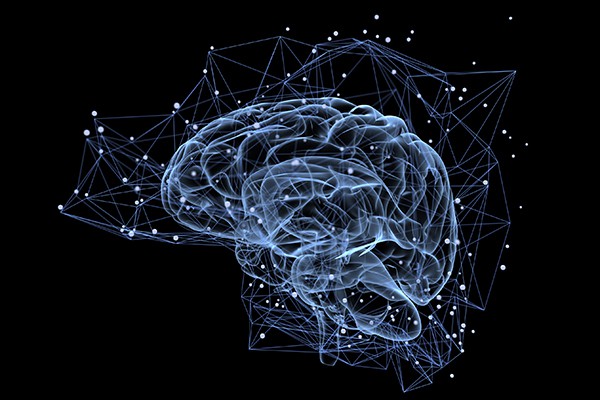
Neuroplasticity: The Brain That Never Stops Changing

English – Introduction Description

The human brain is constantly changing, adapting, and reshaping itself. This amazing ability, called neuroplasticity, explains how we learn, recover, and grow at every stage of life. From exercise and daily habits to the power of sleep, modern research shows that small choices can transform the brain’s structure and function—opening exciting possibilities for health, education, and innovation.


العربية – الوصف التمهيدي

الدماغ البشري في حالة تغيير دائم، يتكيف ويعيد تشكيل نفسه باستمرار. هذه القدرة المدهشة، التي تُعرف باسم اللدونة العصبية، تفسر كيف نتعلم ونتعافى وننمو في كل مراحل الحياة. من التمارين والعادات اليومية إلى قوة النوم، تُظهر الأبحاث الحديثة أن الخيارات الصغيرة قادرة على تغيير بنية الدماغ ووظائفه—لتفتح أمامنا آفاقًا جديدة للصحة والتعليم والابتكار.

Did you know your brain is constantly changing and rewiring itself—even right now as you read this? This ability, called neuroplasticity, shapes how we learn, remember, and adapt. From how children pick up new languages to how adults recover after brain injury, neuroplasticity reveals the brain’s hidden power to transform across a lifetime. Imagine what this means for the future of learning, creativity, and even artificial intelligence."


How Physical Activity Rewires the Aging Brain

Physical activity doesn’t just keep the body fit—it strengthens the brain too. Research shows that aerobic exercise, resistance training, and even yoga can boost hippocampal volume and improve memory in older adults (Frontiers in Neuroscience, 2025). These benefits come from higher levels of brain growth factors, better connectivity, and even the creation of new neurons.


Everyday Habits Shape Plasticity

Neuroplasticity isn’t limited to labs or therapies. Studies highlight how learning a second language, practicing mindfulness, or even managing stress can rewire the brain (PubMed, 2025; eNeuro, 2025). Small, daily choices build resilience, improve attention, and keep neural pathways flexible.


Sleep: The Nighttime Architect of Brain Plasticity

At night, the brain gets to work. Deep sleep strengthens important connections, while REM sleep integrates learning and emotions. Without enough rest, neuroplasticity falters—slowing memory, learning, and emotional balance. Quality sleep is a cornerstone of a brain that adapts and grows (Frontiers in Sleep, 2025).


المقدمة

هل تعلم أن دماغك يتغير باستمرار ويعيد تشكيل نفسه—حتى الآن وأنت تقرأ هذه السطور؟ تُسمى هذه القدرة اللدونة العصبية (Neuroplasticity)، وهي التي تحدد كيف نتعلم، ونتذكر، ونتكيف. من تعلم الأطفال للغات جديدة، إلى تعافي الكبار بعد إصابات الدماغ، تكشف اللدونة العصبية عن قوة مذهلة للدماغ في التغيير مدى الحياة. تخيل ما يعنيه ذلك لمستقبل التعلم، والإبداع، وحتى الذكاء الاصطناعي.


التمرين وإعادة تشكيل الدماغ

النشاط البدني لا يحافظ فقط على صحة الجسد—بل يقوي الدماغ أيضًا. تظهر الأبحاث أن التمارين الهوائية، وتمارين المقاومة، وحتى اليوغا، يمكن أن تزيد من حجم الحُصين (hippocampus) وتحسن الذاكرة لدى كبار السن (Frontiers in Neuroscience, 2025). هذه الفوائد تأتي من ارتفاع عوامل النمو العصبي، وتحسين الاتصال بين الخلايا، بل وحتى خلق خلايا عصبية جديدة.


العادات اليومية تشكل اللدونة

اللدونة العصبية لا تقتصر على المختبرات أو العلاجات. تشير الدراسات إلى أن تعلم لغة ثانية، أو ممارسة التأمل، أو حتى إدارة التوتر، يمكن أن تعيد توصيل الدماغ (PubMed, 2025; eNeuro, 2025). الخيارات الصغيرة اليومية تبني المرونة، وتحسن الانتباه، وتحافظ على مرونة المسارات العصبية.


النوم يغذي التغيير الدماغي

في الليل، يبدأ الدماغ عمله. النوم العميق يقوي الروابط المهمة، بينما يدمج نوم الـ REM (حركة العين السريعة) التعلم والعواطف. من دون نوم كافٍ، تتعطل اللدونة العصبية—فتتباطأ الذاكرة والتعلم والتوازن العاطفي. النوم الجيد هو حجر الأساس لدماغ قادر على التكيف والنمو (Frontiers in Sleep, 2025).