x
B r a i n F u t u r e

Blog - Collective Unconscious Memory: The Shared Depths of the Human Mind
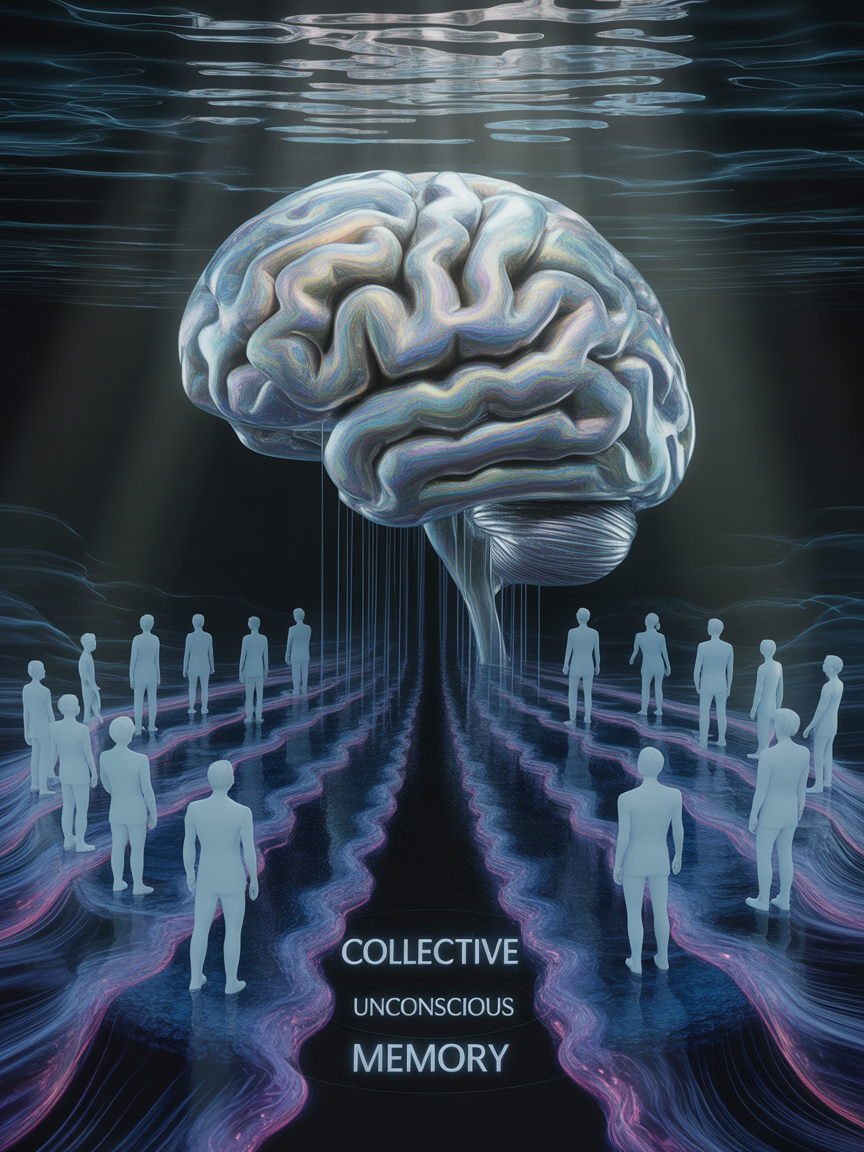
Collective Unconscious Memory: The Shared Depths of the Human Mind


This article explores the concept of collective unconscious memory—the idea that memory extends beyond the individual and connects humanity through shared symbols, archetypes, and inherited imprints. From Jung’s vision of archetypes to Sufi traditions of layered consciousness, and from modern neuroscience to today’s digital networks, the piece highlights how memory operates at personal, cultural, and global levels, shaping the future of human experience.


تستعرض هذه المقالة مفهوم الذاكرة الجمعية اللاواعية – الفكرة التي ترى أن الذاكرة تتجاوز حدود الفرد لتربط البشر عبر رموز مشتركة وأنماط موروثة. من رؤية يونغ حول النماذج الأولية إلى تقاليد التصوف التي تصف طبقات الوعي، ومن علم الأعصاب الحديث إلى الشبكات الرقمية المعاصرة، تسلط المقالة الضوء على كيفية عمل الذاكرة على المستويات الفردية والثقافية والعالمية، لتشكّل مستقبل التجربة الإنسانية.

Collective Unconscious Memory: The Shared Depths of the Human Mind

Beyond the Individual Brain

When we think of memory, we often imagine a personal archive: childhood experiences, faces of loved ones, the lessons we have learned. Yet many thinkers have suggested that memory may extend beyond the individual. The concept of a collective unconscious memory points to shared patterns of thought, symbol, and meaning that shape human experience across cultures and generations.

Archetypes and Shared Symbols

The idea of collective memory suggests that human beings are born into a landscape of universal images and motifs—archetypes. The “hero’s journey,” the nurturing mother, the wise elder, the trickster—these appear in myths, literature, and rituals worldwide. They form a psychological inheritance, influencing how our brains recognize meaning, even before personal experience fills in the details.

Science and Inherited Imprints

While archetypes belong to psychology and philosophy, neuroscience and genetics offer complementary insights:

  • Epigenetics shows how experiences, such as trauma, can alter gene expression and affect future generations.

  • Neurobiology of culture demonstrates how repeated cultural practices and symbols shape neural circuits, embedding shared meaning in the brain.

  • Cross-cultural cognition finds striking similarities in how humans process myths, metaphors, and narratives—suggesting a deep-rooted cognitive architecture that transcends geography.

These findings point toward a truth: memory is not only mine or yours. It is also ours.


How the Concept Took Shape

The psychologist Carl Gustav Jung introduced the modern term collective unconscious in the early 20th century. During his travels in Tunisia, Jung recorded vivid dreams that convinced him the unconscious was more than personal—it was shared, carrying inherited structures he called archetypes.

Long before Jung, Sufi thinkers described the self as layered, sometimes through the metaphor of forty stages or veils. These layers charted a journey inward—from surface impulses, to ancestral and archetypal depths, toward unity with the divine. Both perspectives—scientific psychology and spiritual philosophy—recognized that the unconscious has depth and structure that extend beyond the individual.


A New Collective Memory

Today, humanity is building another layer of shared unconscious: the digital dimension. Billions of images, stories, and interactions are stored in global networks and shaped by artificial intelligence. Like myths in ancient cultures, these digital patterns are forming a new symbolic landscape that influences how societies imagine the world and their future.


Closing Reflection

The collective unconscious reminds us that we are not isolated minds but participants in a shared psychic ecosystem. From Jung’s archetypes to Sufi layers, from epigenetic inheritance to cultural rituals, and now digital networks, memory flows through us and beyond us.

The challenge of the future is to engage with this collective memory consciously—so that it becomes a force for empathy, creativity, and resilience.


الذاكرة الجمعية اللاواعية: أعماق مشتركة للعقل الإنساني

ما وراء الدماغ الفردي

عندما نفكر في الذاكرة، غالبًا ما نتخيلها كأرشيف شخصي: تجارب الطفولة، وجوه الأحبة، والدروس التي تعلمناها. ومع ذلك، اقترح العديد من المفكرين أن الذاكرة قد تمتد إلى ما هو أبعد من الفرد. إن مفهوم الذاكرة الجمعية اللاواعية يشير إلى أنماط مشتركة من الفكر والرموز والمعاني التي تشكل التجربة الإنسانية عبر الثقافات والأجيال.

النماذج الأولية والرموز المشتركة

تُظهر فكرة الذاكرة الجمعية أن البشر يولدون في مشهد من الصور والنماذج العالمية – النماذج الأولية. “رحلة البطل”، و“الأم الحاضنة”، و“الشيخ الحكيم”، و“المخادع” تظهر جميعها في الأساطير والأدب والطقوس حول العالم. إنها تمثل ميراثًا نفسيًا، يؤثر في كيفية تعرف أدمغتنا على المعنى حتى قبل أن تملأ الخبرة الشخصية التفاصيل.

العلم والبصمات الموروثة

بينما تنتمي النماذج الأولية إلى الفلسفة وعلم النفس، يقدم علم الأعصاب وعلم الوراثة رؤى مكمّلة:

  • علم التخلّق (Epigenetics) يُظهر كيف يمكن أن تغيّر التجارب، مثل الصدمات النفسية، من التعبير الجيني وتؤثر في الأجيال القادمة.

  • علم الأعصاب الثقافي يوضح كيف أن الممارسات الرمزية والطقوس المتكررة تشكل الدوائر العصبية، لتغرس المعاني المشتركة في الدماغ.

  • الإدراك عبر الثقافات يكشف عن تشابهات مذهلة في كيفية معالجة البشر للأساطير والاستعارات والسرديات، ما يشير إلى بنية معرفية عميقة الجذور تتجاوز الجغرافيا.

تشير هذه الاكتشافات إلى حقيقة أساسية: الذاكرة ليست ملكي أو ملكك فقط، بل هي أيضًا ملكنا جميعًا.


كيف تَشكَّل المفهوم

قدّم عالم النفس كارل غوستاف يونغ المصطلح الحديث اللاوعي الجمعي في بدايات القرن العشرين. وخلال أسفاره في تونس، سجّل أحلامًا حيّة أقنعته أن اللاوعي ليس مجرد شخصي، بل هو أيضًا مشترك، يحمل هياكل موروثة أسماها بالنماذج الأولية.

وقبل يونغ بقرون طويلة، وصف المفكرون الصوفيون النفس على أنها تتكشف عبر مراحل متعددة، أحيانًا من خلال استعارة الأربعين منزلة أو حجابًا. تمثل هذه المراتب رحلة إلى الداخل: من الدوافع السطحية، مرورًا بالآثار الأسلافية والأنماط الرمزية العميقة، وصولًا إلى وحدة تتجاوز الذات. كلا المنظورين – النفسي والعرفاني – يشيران إلى أن اللاوعي عميق ومتدرج ويتجاوز حدود الفرد.


ذاكرة جمعية جديدة

اليوم، يبني البشر طبقة أخرى من اللاوعي الجمعي: البعد الرقمي. مليارات الصور والقصص والتفاعلات تُخزَّن في شبكات عالمية وتُشكَّل عبر الذكاء الاصطناعي. وكما كانت الأساطير في الثقافات القديمة تحمل النماذج الأولية، فإن هذه الأنماط الرقمية تصوغ مشهدًا رمزيًا جديدًا يؤثر في كيفية تخيّل المجتمعات للعالم ومستقبلها.


تأمل ختامي

يُذكرنا مفهوم الذاكرة الجمعية اللاواعية بأننا لسنا عقولًا منفصلة، بل مشاركون في منظومة نفسية مشتركة. من نماذج يونغ الأولية إلى طبقات النفس في الفكر الصوفي، ومن البصمات الوراثية إلى الطقوس الثقافية، والآن الشبكات الرقمية، تتدفق الذاكرة فينا ومن خلالنا وما وراءنا.

إن تحدي المستقبل يتمثل في كيفية التعامل مع هذه الذاكرة الجمعية بوعي – حتى تصبح قوة تدعم الإبداع، والتعاطف، والقدرة على الصمود.